SPOTTED!

Sporting our black and grey La Roma Tote, Celina Franco recently attended an "After After Party with Steven Michael Quezada" in Albuquerque, NM. Celina met and took photos with special guests and Emmy Award winning actors Bryan Cranston (Breaking Bad and Malcolm in the Middle) and Aaron Paul (Breaking Bad). Thanks for the photos!

SPOTTED!

We're starting a new blog theme here on Mariza & Company entitled "Spotted" to showcase our artisan's work out-n-about in public and in different fashion contexts.


Our first post (and photos) come from Elena Bissell in Albuquerque, New Mexico. Elena was spotted with her Polanco Tote (Camel) on her way to listen to  Dr. Maya Angelou at Popejoy Hall.
Fin de Semana
Weekender Bag

The weekender bags are here and they are beautiful. The colorful textiles from Chiapas, combined with the rich leatherwork from Jalisco create a unique one-of-a-kind travel bag. These bags are perfect for weekend trips, an overnight-get-away, and as a carry-on.

Detailed image of the bag

The textiles being made on a waist loom

Textiles: Hand-woven on a waist loom in Chiapas, this form of weaving is known as "telar de cintura". The textiles used for these bags are incredibly durable due to the high thread count and thickness of the cotton string. Traditionally, weavings such as this have been used for clothing in the Chiapas area and they were made to ensure that a shirt (huipil), skirt or shawl could endure the rough climate of Chiapas for years at a time. For this reason, the tradition and culture of "telar de cintura" in Chiapas is a hidden art-form that creates some of the most vibrant and durable textiles in the Americas. 


Molly with the bag

The bags!

Leather work: From Jalisco, the tradition of fine leatherwork draws from generations of Charro (cowboy) culture. In a region filled with ranches, cattle, elegant horsemanship, and lots of Tequila, it's only natural that leather is a major part of their artisan culture. 100% cow hide, this leather is made to last for years, ages beautifully, and lines our bag to ensure it's durability.


We simply can't get enough of this bag!


Thanks Outblush!


Our San Angel Tote was recently featured in Outblush, an online fashion blog and we couldn't be more excited. We love that they envisioned this bag as a perfect accessory for a college student or hip professional! 

Product Sneak Peak...

We just received word that our new weekender bags are being shipped from Jalisco TODAY! This is exciting news. 

We've combined our vibrant textiles from Chiapas, with the leather work of our skilled artisans from Jalisco to bring you an amazing bag that is perfect for overnight trips, as a carry on, or for a fun weekend.


The textiles used are hand-woven at a women's cooperative in Chiapas. Each textile is created on a loom that is anchored by the women's waist, as shown at right, and slowly woven strand by strand to ensure that the weave is tight and thus durable. Weaving is an important part of the Mayan culture in Chiapas. Most garments are hand woven and by necessity, from living in jungle like areas, are durable - lending themselves beautifully to the creation of these bags and the preservation of this art-form. 
Responsible ~ Sustainable
Can it get any better?

Mariza & Company is excited to be offering teak cutting boards from the state of Nayarit. The wood (teak) from these cutting boards is responsibly harvested from sustainable, certified, teak forests and manufactured (with fair wages) at a near by plant. Proteak, the company responsible for this work, planted their first teak trees in 2000 on reclaimed ranch lands around the state of Nayarit (near Puerto Vallarta). Today, the forest is growing quickly and like all good farmers know, in order to ensure strong healthy plants, you must thin out the smaller ones. Well, that's exactly what Proteak is doing and the trees that are being thinned out are being turned into stylish cutting boards that, thanks to teaks natural properties,  are durability and will last for years! 


Our textiles are a very important part of our online collection, as they represent one of the oldest artisan forms in Mexico. Featuring hand-woven pillows, shawls, table runners and throws, each piece has been created using traditional weaving techniques by women in the states of Chiapas and Hidalgo.

In Chiapas our weavers work in a cooperative format along with designers from Mexico City and France. Together the artisans and the designers have created contemporary pieces that pay homage to traditional weaving techniques, patterns and symbols.

Weavers play an important role in mayan communities. Not only do they create the clothing for their families, but the colors, patterns and symbols also play a role in identifying their heritage, distinguishing between communities, and acting as symbols of allegiance to certain regions. Furthermore, each woven piece is meant to last for years and withstand warm humid climates contrasted by cold wet days. The durability of this clothing is something that only hands can create and speaks well for the quality and durability of the textiles in our collection.

The creation of these contemporary textiles and your purchase are fundamental to maintaining a weaving tradition in communities around Chiapas. As cheap products from foreign sources begin to infiltrate markets and stores around Mexico, many weavers are finding themselves out of jobs or without demand for their goods. Our work with the cooperative is to open new markets for them that appreciate the tradition, heritage, quality and style of these textiles - ensuring a sustainable market and continued support for the weaving tradition.

Our Bolitos Pillows match beautifully with our Panthelos Pillow collection.


The beautiful woven detail on the weavers clothing is directly translated into the pillows, shawls and table runners in our collection.


NAAB

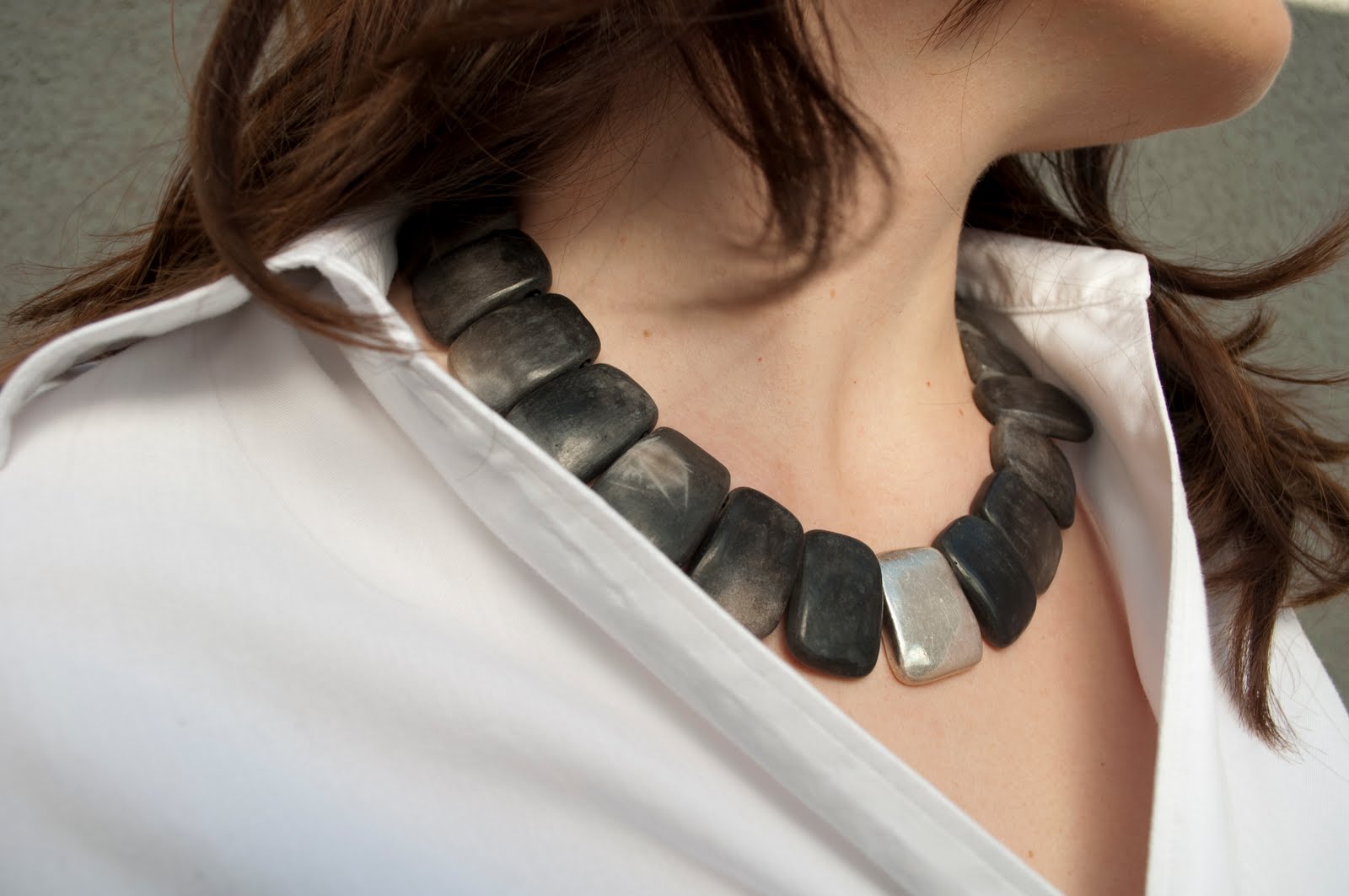
Naab means clay in Mixe dialect, a Nahuatl dialect from the Oaxaca region. This beautiful contemporary jewelry incorporates traditional Mayan ceramics with touches of silver . These beautiful statement pieces are made by Maria Jose Rion, a sculpture artist from Mexico City. 


Maria Jose Rion ~ Maria was born and raised in Mexico City. After having studied sculpture in Barcelona, New York and Vancouver, Maria discovered the age-old technique that the Mayan's used to make ceramics. From the natural dyes to the burnishing of the clay with a quartz stone, Maria's work is contemporary in style, but traditional in technique. http://marizaco.com/jewelry.html


"Earth; water, clay. Fire; wind, beautiful, natural and subtle jewelry."


Otomi
The following vibrant fabrics are from central Mexico, specifically the states of Puebla and Hidalgo. This art form comes from the Otomi Indians and reflect the beauty of the Mexican landscape. Hand embroidered these pieces can take anywhere from hours to months to create, depending on the size. Our online collection includes bed-spreads, pillows, table runners and or/or wall hangings (as many of these pieces are far too beautiful to serve only as a table runner). 


Telar de Cintura

Telar de Cintura (to weave from the waist) is a form of weaving that requires the artist to wrap one end of the loom around his or her waist. The weaver then weaves a long narrow or wide (depending on the waist size of the person) stretch of fabric, which is later embroidered with other fabrics, of similar design, to create table cloths, shawls, pillows or bed coverings.

Below is an example of telar de cintura which is available in a variety of forms on our website.

http://marizaco.com/textiles.html

All products come from the state of Chiapas, Mexico, are 100% cotton, and because of the quality of weaving can be washed and used for years with little sign of wear.